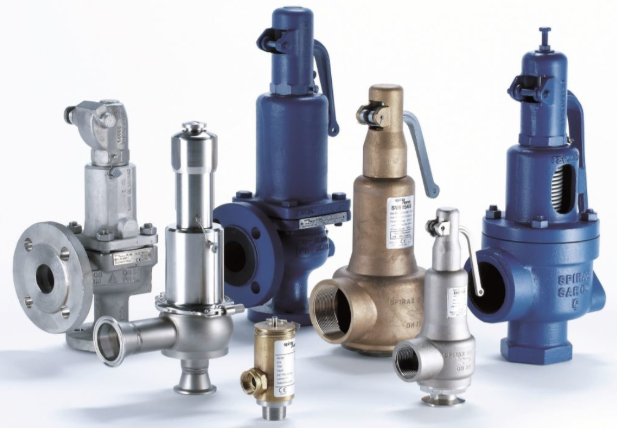
How Safety Valves Make Industrial Processes Safer and More Efficient
Industrial processes often involve the use of pressurized systems, chemicals, and high-temperature equipment. These processes can be dangerous if not carefully controlled, as pressure build-up or equipment malfunction can lead to accidents, equipment damage, and costly downtime. One essential device that helps prevent these issues is the safety valve. By automatically controlling pressure levels, safety valves ensure that industrial operations run safely and efficiently, protecting both workers and machinery.
Understanding Safety Valves
A safety valve is a mechanical device designed to release excess pressure from a system automatically. When the pressure within a tank, pipe, or vessel exceeds a preset limit, the safety valve opens to release the pressure, preventing potential accidents or explosions. Once the pressure returns to a safe level, the valve closes again. This automatic function is critical in industries such as chemical processing, oil and gas, power generation, and manufacturing, where maintaining safe pressure levels is vital for smooth operations.
Protecting Workers and Equipment
The primary purpose of a safety valve is to protect people and equipment from dangerous pressure conditions. In industrial settings, overpressure can cause pipelines to burst, tanks to explode, or machinery to fail, leading to serious injuries and property damage. By releasing pressure before it reaches dangerous levels, safety valves act as a safeguard for employees and infrastructure. This protection helps companies maintain a safe working environment, which is essential for regulatory compliance and worker confidence.
Enhancing Operational Efficiency
In addition to safety, safety valves also contribute to the efficiency of industrial processes. When pressure is maintained at an optimal level, machinery operates more reliably and consistently. This reduces the likelihood of unexpected shutdowns, equipment wear, and maintenance costs. Moreover, safety valves help avoid the loss of valuable materials that could occur if a system were to fail under high pressure. By preventing such incidents, industries can achieve smoother operations and better overall productivity.
See also: Creating Profitable Business Models With Technology 3661707554
Types of Safety Valves
There are several types of safety valves, each suited to different industrial applications. Spring-loaded safety valves are common in many manufacturing plants and provide quick response to pressure changes. Pilot-operated safety valves are used in systems that require precise pressure control and are often found in high-pressure applications. Thermal safety valves respond to temperature changes, releasing pressure when a system overheats. Choosing the right type of safety valve is crucial to ensure both safety and operational efficiency.
Maintenance and Inspection
For safety valves to function correctly, regular maintenance and inspection are necessary. Industrial safety standards often require periodic testing to verify that the valve opens at the designated pressure and closes properly afterward. Over time, deposits or mechanical wear can affect the performance of a safety valve, so routine checks and maintenance ensure that it continues to provide reliable protection. Proper maintenance not only extends the life of the valve but also prevents potential safety hazards and costly downtime.
Compliance with Safety Standards
Industries are subject to strict safety regulations, and the use of safety valves is often mandated by law. Compliance with these standards ensures that facilities operate safely and avoid legal penalties. Safety valves are an integral part of safety management systems, helping companies meet regulatory requirements while promoting a culture of safety. Investing in high-quality safety valves and following inspection protocols demonstrates a company’s commitment to protecting both employees and assets.
Conclusion
Safety valves play a vital role in making industrial processes safer and more efficient. By controlling pressure and preventing overpressure situations, they protect workers, prevent equipment damage, and enhance operational productivity. Understanding the types of safety valves, their maintenance needs, and regulatory importance is essential for industries that rely on pressurized systems. By integrating safety valves into their operations, companies can ensure safer working conditions, maintain continuous production, and achieve greater efficiency in their industrial processes.