How to Install Turf in Your Backyard
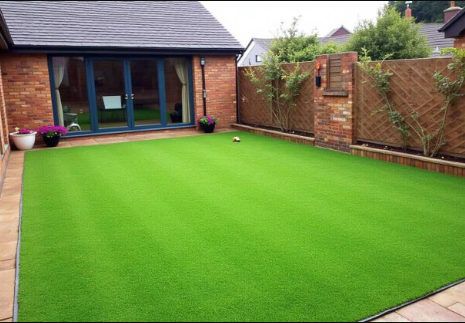
Installing turf transforms your backyard into lush, green space quickly. This method provides instant results compared to growing grass from seed. Australian homeowners appreciate the speed and reliability of turf installation. The process involves site preparation, measuring, laying rolls, and proper watering. This comprehensive guide walks you through each step for professional-looking results.
Preparing your site
Before laying turf, prepare your garden bed thoroughly for healthy grass growth. Remove all weeds, rocks, and debris using a garden rake. Level the soil by filling holes and breaking up compacted earth. Water the soil lightly the day before installation to create a moist base. Proper preparation prevents future drainage problems and gives your turf foundation.
Measuring and ordering
Accurately measure your garden area to order the right turf amount without wastage. Divide irregular shapes into rectangles and calculate the total square metres needed. Most turf comes in rolls covering one square metre for simple calculation. Order slightly more than required to account for cuts during installation. Contact a local Hervey Bay turf installer to get accurate quotes and schedules.
Site drainage considerations
Proper drainage ensures your turf remains healthy throughout the growing season. Identify areas that collect water and address them before installation begins. Consider grading your yard slightly away from buildings to promote natural water movement. Sandy soils drain well but may require additional irrigation during dry periods. Clay soils retain moisture longer but may need drainage improvements to prevent waterlogging.
Laying the turf
Start laying turf from one corner, unrolling each piece tightly against previous ones. Press down firmly to ensure good contact between turf and soil, eliminating air pockets. Stagger the joints like brickwork rather than creating straight lines for stronger coverage. Trim edges with a sharp knife to fit garden borders and pathways neatly. Water thoroughly as you lay to help turf settle and establish soil contact.
Aftercare tips
Proper aftercare during the first two weeks determines your installation success. Water daily, preferably early morning or late afternoon, keeping soil moist without waterlogging. Avoid walking on turf excessively during establishment to allow roots to develop undisturbed. Delay fertilising for approximately four weeks after installation to avoid burning new growth. Most newly laid turf becomes established within two to three weeks with optimal conditions.
See also: How to Use Mushroom Powder in Your Tea, Coffee, and Smoothies
Common mistakes to avoid
Many homeowners delay watering, assuming rain provides sufficient moisture for establishment. Underwatering causes turf to shrink and separate from soil, creating weak patches. Overwatering promotes fungal diseases and root rot in poorly draining areas. Another frequent error involves installing turf over compacted clay without soil amendment. Using online resources like a blog health check helps identify problematic content effectively.
Best time to install
Autumn and spring offer the best conditions for turf installation across most Australian regions. Cool temperatures reduce stress on newly laid grass while spring rainfall supports natural watering. Summer heat accelerates water loss, requiring intensive daily watering to prevent failure. Winter installation works in milder climates but growth slows considerably during cold months. Plan your project during optimal seasons to maximise success rates and reduce maintenance demands.
Tools you’ll need
Gather essential tools before your turf arrives to streamline the installation process. A garden rake helps level soil and remove debris efficiently from the work area. A sharp spade or utility knife cleanly cuts turf edges to fit garden boundaries. A garden hose with spray nozzle provides precise watering control during and after installation. A wheelbarrow transports turf rolls around your garden, reducing physical strain.
Watering schedule
Establish a consistent watering routine immediately after turf installation for optimal root development. Daily watering for the first two weeks keeps soil moist but not saturated. Gradually reduce frequency from week three onwards, allowing soil to dry between watering sessions. By week six, your established turf requires only normal lawn watering, roughly once or twice weekly. Monitor soil moisture with your finger, watering when the top inch feels dry.
Cost considerations
Turf installation costs depend on garden size, soil preparation needs, and your location within Australia. Budget approximately four to eight dollars per square metre for turf itself plus delivery charges. Professional installation services typically charge additional labour costs but ensure superior results. DIY installation reduces expenses but requires physical effort and careful technique execution. Getting multiple quotes from local suppliers helps identify competitive pricing.
Long-term lawn maintenance
Maintain your newly installed turf with regular mowing, fertilising, and seasonal care routines. Begin mowing once turf reaches approximately five centimetres in height, removing no more than one third. Apply balanced fertiliser every six to eight weeks during the growing season to support development. Aerate your lawn annually to improve drainage and reduce compaction from foot traffic. Seasonal care keeps your lawn healthy and attractive for many years.
Dealing with pest and disease issues
New turf may be susceptible to pests and diseases during establishment phase. Monitor your lawn regularly for unusual discolouration, bare patches, or pest activity. Common lawn pests include grubs, armyworms, and other insects that feed on grass roots. Fungal diseases thrive in overly moist conditions, making proper watering crucial for prevention. Consult local lawn care experts if you notice significant damage or disease symptoms.
Seasonal adjustments
Turf maintenance requirements change with the seasons throughout the Australian year. Spring requires increased fertilising to support new growth after cooler months. Summer demands more frequent watering to compensate for heat and evaporation. Autumn is ideal for overseeding thin areas and preparing lawns for winter dormancy. Winter requires minimal watering in cooler regions where grass growth slows considerably.
Creating healthy soil foundations
The soil beneath your turf determines long-term health and sustainability of your lawn. Improve soil quality by adding organic matter before laying turf rolls. Compost enriches soil with nutrients and improves water retention significantly. Check soil pH to ensure it falls within the optimal range for healthy turf growth. Professional soil testing provides detailed recommendations for your specific garden conditions and needs.
Managing edges and borders
Clean edges around garden beds and pathways create a polished, professional appearance. Install edging materials like metal, plastic, or brick to maintain distinct lawn boundaries. Regular maintenance of edges prevents turf from creeping into garden beds. Edge trimming should be done regularly during the growing season for optimal appearance. Proper edging reduces maintenance time by clearly defining lawn boundaries and areas.