Determining the Right Number of Backlinks for SEO Success
Understanding Backlinks and Their Importance
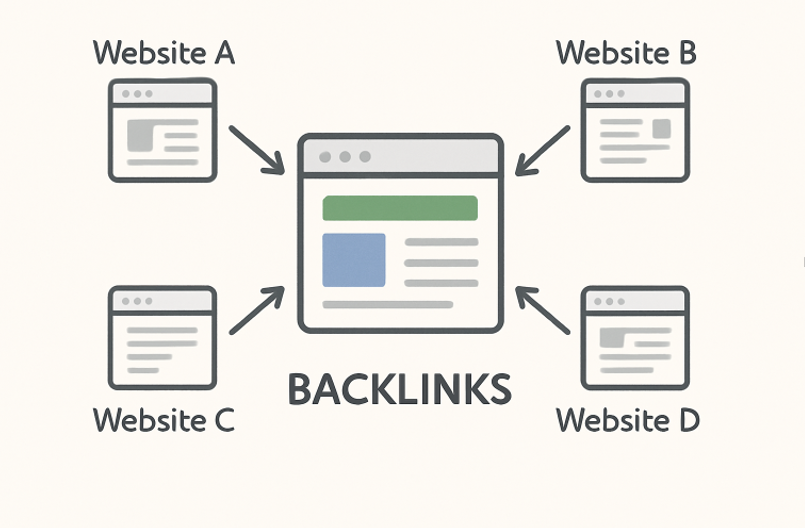
Backlinks are incoming links from other websites that act as votes of trust for your pages. When reputable sites link to yours, search engines view this as a signal that your content is authoritative and reliable, increasing your odds of ranking higher in organic search results. Assessing how many backlinks to my site are necessary can help you tailor your strategy for the best results.
Not all backlinks deliver the same benefit. The linking site’s authority influences the value of each link, its relevance to your industry, and even its placement. Google’s search algorithms look beyond just the number of backlinks and focus on how those links reflect on a site’s trustworthiness and expertise. Prioritizing the right types and sources of backlinks is crucial to achieving lasting SEO value.
Building a strong backlink profile is a fundamental part of SEO because it amplifies your website’s reach, attracts referral traffic, and signals your credibility to both users and search engines. Quality backlinks help search engines discover new pages on your website and gain a better understanding of what your content is about.
Focusing on link diversity and natural growth patterns establishes your site as an authority over time. A well-developed backlink strategy doesn’t just improve rankings—it builds relationships within your industry and generates ongoing opportunities for organic visibility.
Factors Influencing Backlink Requirements
The number of backlinks your site needs is shaped by several distinct elements, each of which uniquely impacts your ability to compete in search rankings:
- Industry Competitiveness: In highly competitive niches, such as finance or legal services, securing a spot on the first page may require hundreds, or even thousands, of authoritative backlinks. Less competitive industries generally need fewer links to rank well.
- Website Authority: Sites with higher domain authority (DA) or domain rating (DR) gain traction more quickly and require fewer new backlinks to maintain or improve their positions. New websites, on the other hand, often need a larger pool of quality backlinks to overcome their initial lack of authority.
- Content Quality: Superior content serves as a magnet for organic backlinks. Informative, relevant, and unique resources naturally attract attention and links from industry peers and reputable publishers.
According to Search Engine Land, a study found that over 96% of websites ranking in the top 10 of Google had more than 1,000 backlinks from unique domains, highlighting the importance of a robust backlink profile.
Quality vs. Quantity: Striking the Right Balance
Although amassing a high volume of backlinks may sound appealing, today’s SEO best practices emphasize the importance of link quality. A single backlink from a respected publisher or domain can outweigh dozens of spammy or irrelevant links. Google has become adept at identifying and discounting manipulative or purchased backlinks, and can even penalize sites that engage in these tactics.
When evaluating a backlink’s value, ask:
- Is the linking website highly trusted and recognized in its field?
- Is the content related to your industry or the topic at hand?
- Is the link placed within valuable, user-focused content or buried on unrelated pages?
Focusing on quality first guards your website against algorithm penalties and supports genuine authority building. As Moz’s Beginner’s Guide to Link Building points out, building relationships for quality backlinks is a long-term investment with sustainable rewards.
See also: Effective Study Techniques to Improve Academic Performance
Analyzing Competitor Backlink Profiles
A powerful way to establish realistic backlink benchmarks is to study your competition. Using SEO tools such as Ahrefs or SEMrush, you can examine the backlink counts, sources, and anchor text profiles of sites already ranking on the first page for your target keywords. Look for patterns—are your top competitors generating backlinks from notable industry resources, news outlets, or forums?
Reverse-engineering competitor strategies reveals potential outreach targets and content topics that have been proven to acquire links. Regularly updating your analysis ensures that you stay current with evolving industry standards and identify new linking opportunities as they emerge.
Recommended Backlink Targets by Website Type
While every scenario is unique, general guidelines help plan your backlink acquisition approach:
- New Websites: Aim for 40 to 100 high-quality backlinks to establish initial traction and establish authority.
- Local Businesses: A typical range of 120 to 180 strong backlinks is emphasized, with a focus on local directories, community websites, and industry-specific resources.
- E-commerce Stores: For competitive online stores, 200 to 400 high-quality backlinks are typically required, with a focus on product or category pages within crowded marketplaces.
- Highly Competitive Niches: For sectors such as finance, health, or technology, 500 to 1,500+ backlinks may be necessary to achieve and maintain top search positions—with a consistent focus on both quantity and quality.
These ranges are starting points. Continuous tracking and analysis should inform ongoing adjustments to your backlink targets.
Strategies for Building Quality Backlinks
Building a strong and natural backlink profile requires a mix of proactive outreach and share-worthy content:
- Create Valuable Content: Unique data, original research, and comprehensive guides are especially effective at earning organic backlinks.
- Guest Blogging: Contributing to high-authority publications or trusted industry blogs remains a valuable method for generating exposure and authoritative links.
- Leverage Social Media: Sharing your best resources broadly increases their visibility and link-earning potential among interested audiences.
- Engage in Community Forums: Participating in trusted industry forums and discussions helps position you as an expert and can open up relevant linking opportunities.
Focus on outreach and partnership development as part of your routine SEO efforts to establish a steady stream of high-quality backlinks every month.
Monitoring and Adjusting Your Backlink Strategy
Regularly assessing your backlink profile using platforms like Google Search Console, Ahrefs, or SEMrush is crucial for identifying broken, lost, or toxic backlinks. This ongoing monitoring enables you to proactively request link replacements, request link removals, and maintain a clean and relevant profile.
As you gather performance data, refine your strategies by doubling down on what works, updating ineffective outreach templates, and consistently seeking new opportunities in your niche.
Conclusion
There’s no universal answer to the number of backlinks required for SEO success. Instead, it’s a dynamic process dependent on your competitive landscape, your website’s authority, and the caliber of your content. Focus relentlessly on earning high-quality, relevant backlinks, track your competitors and progress, and continually adapt your approach. In doing so, you’ll lay the groundwork for sustained SEO growth and increased organic visibility.